
Last updated November 16, 2026
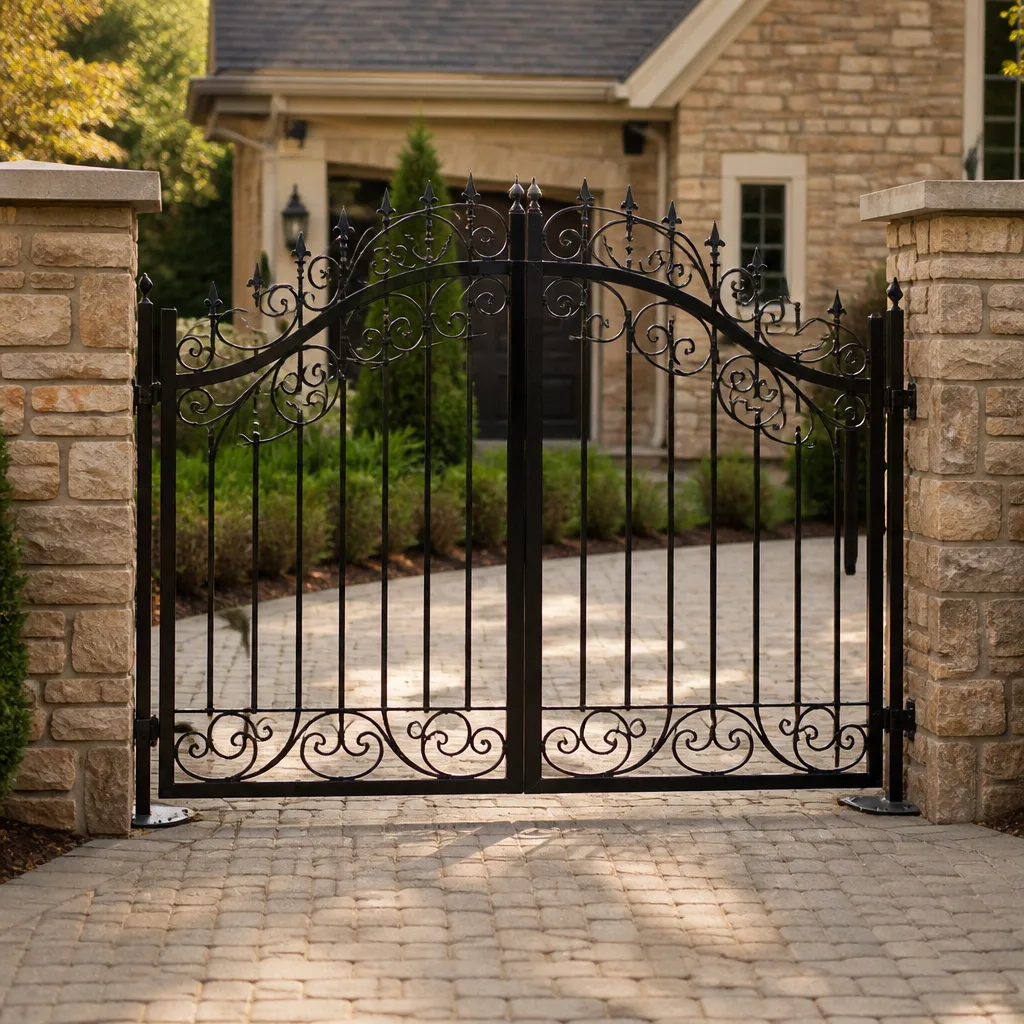 Wrought iron
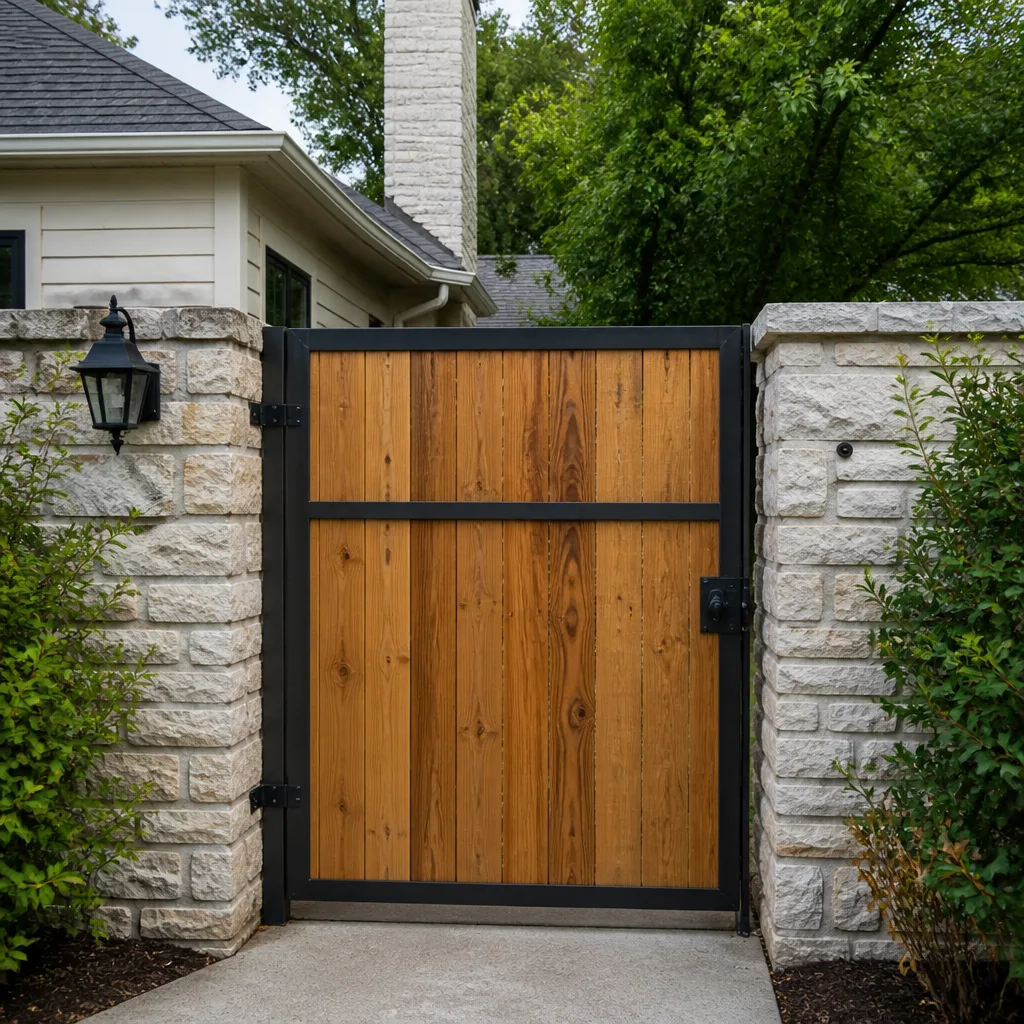 Wood & steel frame
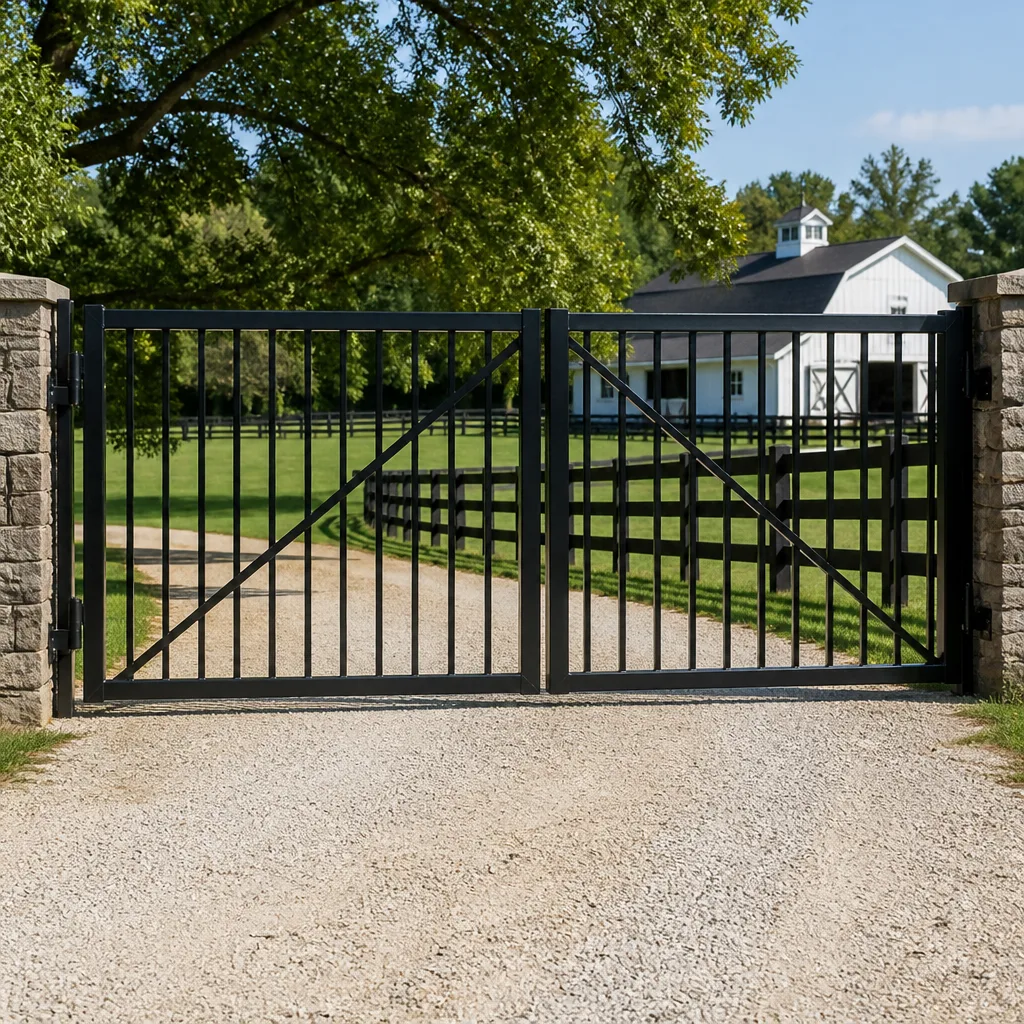 Farm & ranch
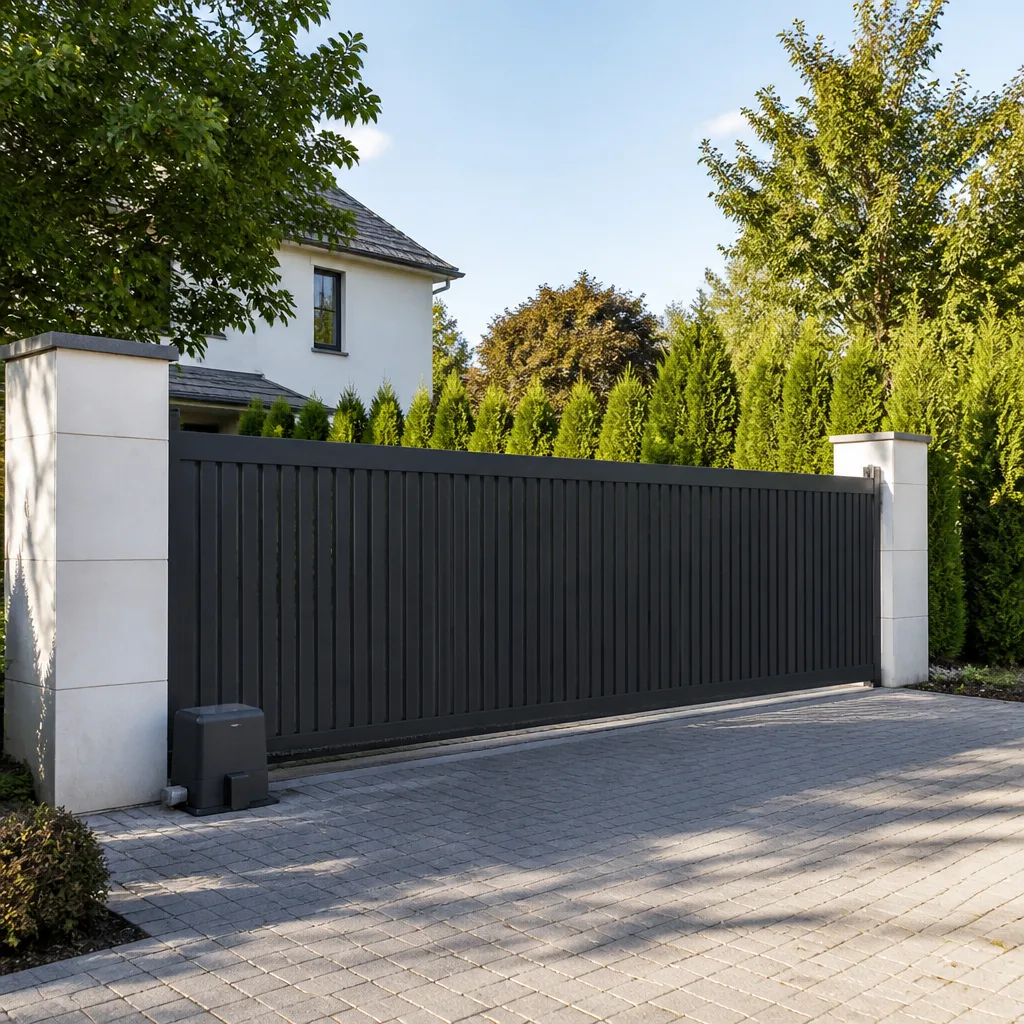 Sliding driveway gates
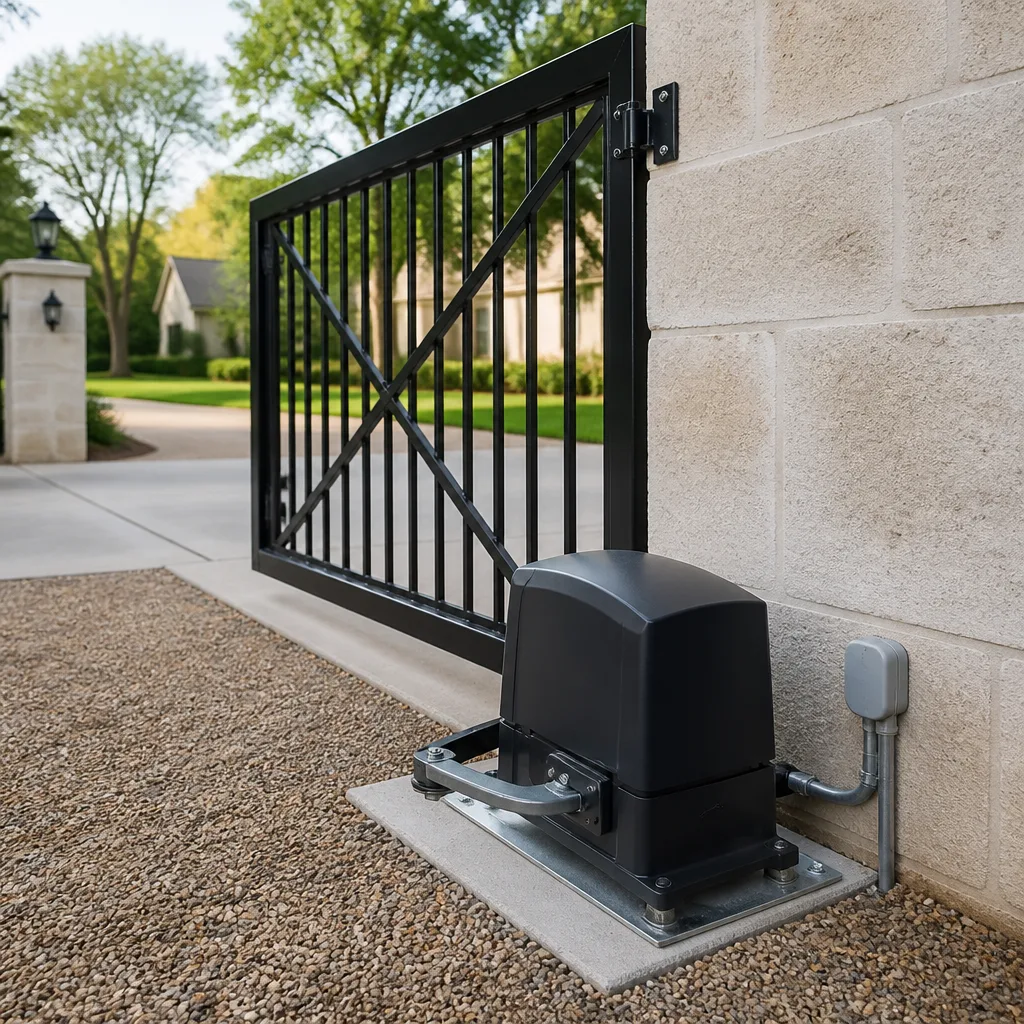 LiftMaster operators
Free on-site gate assessment - hinges, posts, and your LiftMaster or Nice gate operator checked before anything is quoted
The assessment is free and the quote is the invoice.
Get your free estimateThe Complete Guide to Gate Repair in Hampton
Most gate failures we’re called to in Hampton don’t start with the motor. They start small, quietly, at a hinge plate or a post base, and the motor is just the last part to give out. That matters because the part that finally quits is usually not the part that caused the problem. By the time an operator stops responding, the wear behind it may have been building for over a year. This guide walks through how gates actually fail here, how to tell which stage your gate is in, and how to decide between a real repair and a patch that buys you a more expensive call later.
Quick Answer
A gate repair in Hampton means diagnosing the whole system, not just replacing the part that stopped moving. Gates here tend to fail in a predictable order: first the structure (posts, hinges, mounting), then the mechanics (rollers, tracks, latches), and only then the electrics (motor, control board, sensors). Identifying which stage your gate is in tells you whether a repair will hold or whether you’re about to pay twice.
Styles & brands we work with
- Wrought iron
- Wood & steel frame
- Farm & ranch
- Sliding driveway gates
- LiftMaster operators
Table of Contents
- How gates fail in Hampton: the three-stage sequence
- Aluminum vs. steel vs. wrought iron: how each material ages here
- Why post lean gets misdiagnosed as motor failure
- How to identify which stage your gate is in
- Brand-specific considerations: LiftMaster, FAAC, BFT, and others
- Electric and automated gate problems
- True repair vs. temporary fix
- Residential and commercial systems
How gates fail in Hampton: the three-stage sequence
Hampton’s humidity does more damage to a gate than most homeowners expect. The air holds moisture through much of the year, and that moisture works its way into places you don’t see: the inside of a hinge barrel, the base of a post, the seam where two pieces of metal meet. Oxidation starts there. It doesn’t stop a gate from working on day one. It just starts the clock.
From there, the failure moves in a fairly consistent direction:
- Structural. Hinges stiffen. Posts shift. Gate panels begin to sag or drag. The gate still moves, but it takes more force to move it.
- Mechanical. Rollers wear. Tracks bend. Latches stop catching cleanly. The gate moves, but roughly, and every cycle puts more strain on whatever is moving it.
- Electrical. The operator is now working against a gate that resists it. Motors overheat, control boards sense the binding and fault out, safety sensors trip. The operator quits, and the gate stops.
The reason this sequence matters is simple: if you call a repair to fix a “broken motor” when the real problem is a binding hinge or a leaning post, you’ll pay for motor work on a gate that’s still fighting itself. The motor wears out again. The fault returns. We’ve seen this pattern play out more than once, and the fix is always the same: diagnose the whole system before replacing anything.
One more thing worth knowing about Hampton specifically: the gate that faces the most wear isn’t always the one that gets the most use. Sun exposure on one side of a gate can dry and contract a panel that faces shade on the other, causing a slight warp over time. Fences and gates near brick or block walls tend to run wetter after rain and stay wetter longer, because the wall holds moisture against the gate. Neither of these is a dramatic failure on its own, but both accelerate the structural stage.
Aluminum vs. steel vs. wrought iron: how each material ages here
The metal your gate is made from changes how fast it moves through the failure stages, and it changes what a repair actually looks like.
Aluminum
Aluminum resists rust better than steel, so it’s the slower one to corrode in most Hampton conditions. But slower isn’t immune. Aluminum corrodes in a different way: instead of flaking rust, it forms a white chalky oxidation, especially where the finish has chipped or worn at contact points. That oxidation can seize hinges and intrude under powder coating, and it can also cause problems where aluminum meets steel hardware, because the two metals don’t get along when moisture sits between them. If you have an aluminum gate with steel hinges, watch the hinge mounting points closely. That’s where the trouble starts.
Steel
Steel gates move through the failure stages faster here. Rust starts at the base of posts and at hinge points, and once rust gets into a hollow tube or post, it thins the wall from the inside. A steel gate that looks solid can have a post base that’s significantly weakened, and that’s the sort of thing you can’t judge by eye. If you have a steel gate with more than a few rust spots at the base of the posts, the structural stage is already underway.
Wrought iron
Wrought iron holds its strength well, but it has more surface area, more joints, and more places for moisture to settle. It also tends to show its damage differently: paint fails first, then rust blooms at the weld joints, then the joint itself starts to fail. Wrought iron gates also carry more weight, which means the hinges and the operator are working harder than they would on a lighter gate. When a heavy wrought iron gate starts dragging, the hinge and post work matters even more.
The practical takeaway: the material doesn’t change the sequence, it changes the pace. Steel is fastest, wrought iron is middling, aluminum is slowest but not immune. Whichever you have, the same three stages apply.
Why post lean gets misdiagnosed as motor failure
This is one of the most common patterns we see in Hampton, and it’s worth understanding on its own.
Gates here are set in a mixed soil: clay that holds water, sand that drains quickly. That combination creates a specific problem. The clay sections swell after heavy rain and push against the post base. The sandy sections dry and compact, and the post can settle slightly on one side. Over seasons of wet and dry, a post can lean or shift by small amounts. Small amounts are all it takes to throw a gate out of alignment.
Once a post leans, the gate drags, the operator strains, the control board senses the binding, and the operator faults out. The homeowner sees a gate that won’t open and assumes the motor has failed. In reality, the motor was working perfectly. It was doing its job against a gate that was fighting it.
Here’s how to tell the difference:
- Look at the post plumb. Sight down the post line. If it’s visibly leaning, the motor isn’t the problem.
- Test the gate by hand. With the operator disengaged (or the gate unpowered), push the gate through its swing or slide. If it binds or drags, it’s a structural or mechanical problem.
- Check the footer. In a clay-and-sand yard, a post that was set without proper footing depth will move sooner. If the base of the post is cracked or visible above grade, the footing is suspect.
- Watch for repeated faults. An operator that faults, resets itself, and faults again is a sign of binding, not a motor failure.
Once a post has moved, the real repair is resetting or re-footing the post (we set posts to proper footing depth as part of the job), then realigning the gate and checking the operator. That’s the repair that holds. Motor work on a post-leaning gate is a temporary patch.
How to identify which stage your gate is in
You don’t need to diagnose the exact failure to know which stage you’re in. Here’s a way to narrow it down before you call anyone.
Stage 1: Structural (posts, hinges, mounting)
- Visible post lean or movement when you push the gate
- Hinges that feel stiff or crunchy when you move the gate by hand
- A gate that sags at the far end even when closed
- Rust or white oxidation concentrated at hinge points and post bases
- Gaps opening between the gate frame and the post mounting plate
Stage 2: Mechanical (rollers, tracks, latches)
- Grinding or squealing when the gate moves
- Rollers that wobble or have flat spots
- A sliding gate that moves but wanders on its track
- A latch that catches sometimes but not always
- Visible bend or wear on the track or rail
Stage 3: Electrical (motor, control board, sensors)
- The gate stops mid-travel or reverses for no obvious reason
- The operator runs but the gate doesn’t move (frozen mechanism)
- The operator hums, fails, and resets
- Safety sensors trip when the gate should close
- The remote or keypad stops responding while the unit has power
If you’re seeing signs from more than one stage, the gate has been running with earlier-stage problems for a while. That’s the most common situation we find in Hampton, and it’s also the one where a full diagnostic saves the most money.
Brand-specific considerations: LiftMaster, FAAC, BFT, and others
Gate operators aren’t interchangeable, and generic repair guides tend to miss that. A few brand notes that come up again and again in our work:
LiftMaster
LiftMaster residential and light commercial openers are common on Hampton properties, and their control boards tend to report faults clearly when something is binding. That’s helpful, but it also means a homeowner sees a fault code and assumes the operator has failed, when the code is actually telling you the gate is resisting. On LiftMaster units, the fault display is a diagnostic tool, not a verdict. Read it as a clue about the gate, not a confirmation that the motor is bad.
FAAC
FAAC operators show up on heavier swing gates and on gates where the operator is doing more physical work. Their hydraulic and mechanical components hold up well, but they’re not immune to the Hampton pattern: an FAAC unit on a leaning post will strain the same way any other operator would. We also see FAAC travel-limit and encoder settings drift as gates settle. That’s a calibration and diagnosis job, not a motor swap.
BFT
BFT units are common on both residential and light commercial gates. Their electronics are solid, but like any brand, a control board that faults repeatedly is usually being told the gate is binding by its own sensors. The fix is on the gate, not the board. We diagnose the board, the sensors, and the gate together.
Others we work on
Beyond these, we work on Linear, Viking, Ghost Controls, DoorKing, Elite, and Mighty Mule. The brand-specific knowledge matters most when you’re matching the right part to the right unit, or when a fault code means something different on one brand than another. If you have a Mighty Mule DIY-installed gate, for example, the diagnosis is often about the install and settings, not the hardware. Our technicians have up to 9 years of experience with these brands, and we work on your brand rather than pushing you toward a replacement unit.
Electric and automated gate problems
When an electric gate is acting up, the symptom tells you where to look. Here’s how we break it down:
- Motor and operator. Hums, stalls, overheats, or runs without moving. Usually strain or a failed component, not the motor alone.
- Control board. Repeated faults, no response to input, or erratic behavior. Often the board is reporting a mechanical problem.
- Loop detectors. The gate won’t close, or closes and immediately reopens. The loop is sensing phantom vehicles or a loop wire has failed.
- Intercom and entry systems. The gate doesn’t respond to a keypad, intercom, or remote. That’s a signal path issue, not a motor issue.
- Safety edges and sensors. The gate reverses on contact or stops mid-travel. The safety circuit is doing its job and telling you the gate path is obstructed or misaligned.
These systems interact, and a single failure can look like three different problems. That’s why electric gate repair starts with diagnosis, not replacement. A control board that keeps faulting is usually doing exactly what it was designed to do: reporting that the gate is binding. Replacing the board won’t fix the hinge.
One safety note worth stating plainly: gate operators run on household current, and the wiring, the control box, and the power run are not a do-it-yourself project. If you’re seeing exposed wiring, a tripping breaker, or a control box that hums or smells hot, stop and call a trained professional. The mechanical side is dangerous too: a heavy gate panel that swings or slides when you’re not expecting it can crush a hand or worse. Leave the diagnosis to someone who works on these systems every week.
True repair vs. temporary fix
The question is not just “can it be fixed” but “will this fix still be holding a year from now?” Here’s how to tell.
A true repair
- Corrects the stage that caused the failure, not just the stage that shows
- Checks the post, the hinges, the mechanics, and the operator together
- Re-sets posts to proper footing depth when the post has moved
- Realigns the gate after the structural work, then checks the operator
- Uses the right part for the brand and model
- Comes with a clear explanation of what was wrong and what was done
A temporary fix
- Replaces the motor on a gate that’s still binding
- Adjusts the operator to compensate for a leaning post
- Greases a hinge that’s already worn or corroded
- Replaces a control board without checking the gate’s resistance
- Pads a sensor that’s being tripped by a misaligned gate
The tell is simple. If a repair fixes something that’s downstream of the real problem, the real problem is still there and still pushing. That’s the expensive call in 12 months. A repair that addresses the root cause is the one that lasts.
That’s the philosophy we bring to gate repair. We diagnose the system, not just the symptom, and we tell you what’s actually wrong before any work starts. The price is quoted and agreed in writing before we begin.
Residential and commercial systems
Most of what we’ve described applies to both residential and light commercial gate systems in Hampton, but commercial gates tend to move through the same stages faster. Higher cycle counts mean more wear at the hinges and rollers, and commercial gates often run heavier panels, which puts more strain on the operator.
Property managers and HOA contacts usually need something more specific: one point of contact for repair, electric gate diagnosis, and installation. That’s how we’re set up. We handle the full lifecycle: from broken hinges to failed motors, from the control board to the new install. For a property manager, that means no handoffs and no subcontracting.
For commercial gates, the diagnostic phase is also a reporting phase. You need to know which units are failing and why, so you can prioritize the work. We check the gate, the operator, the sensors, the loop detectors, and the entry systems, and we tell you what needs attention and what can wait.
If your property is in or near Hampton, we serve both residential and commercial systems. If you’re looking for a broader overview of who we are and what we do, you can start at Gate Repair Hampton.
Common Mistakes to Avoid
- Assuming the motor is the problem. If the gate binds, the motor isn’t broken, it’s overloaded. Replacing the motor without fixing the bind just buys you another motor.
- Ignoring post lean because the gate still works. A slowly leaning post grinds down the whole system. Fix it early and you save the operator.
- Choosing a repair based on the brand’s reputation rather than the actual fault. A brand-name board doesn’t make a repeat fault a board problem. Sensors and gates cause more faults than the boards themselves.
- Letting rust or oxidation under a finished surface go unnoticed. In Hampton, what you can see is only part of the story. Hinge points and post bases are where the real damage starts.
- Calling for a patch instead of a diagnosis. A truck-roll repair that fixes the symptom and misses the cause sets you up for a second call within a year.
- Adjusting the operator to hide a structural problem. Increasing the force setting or changing a travel limit to mask a leaning post puts more wear on the operator and the gate mechanism.
- Ignoring a control board fault because the gate “still works.” A fault that comes and goes is an early warning. It’s cheaper to act on it than to wait for the gate to stop.
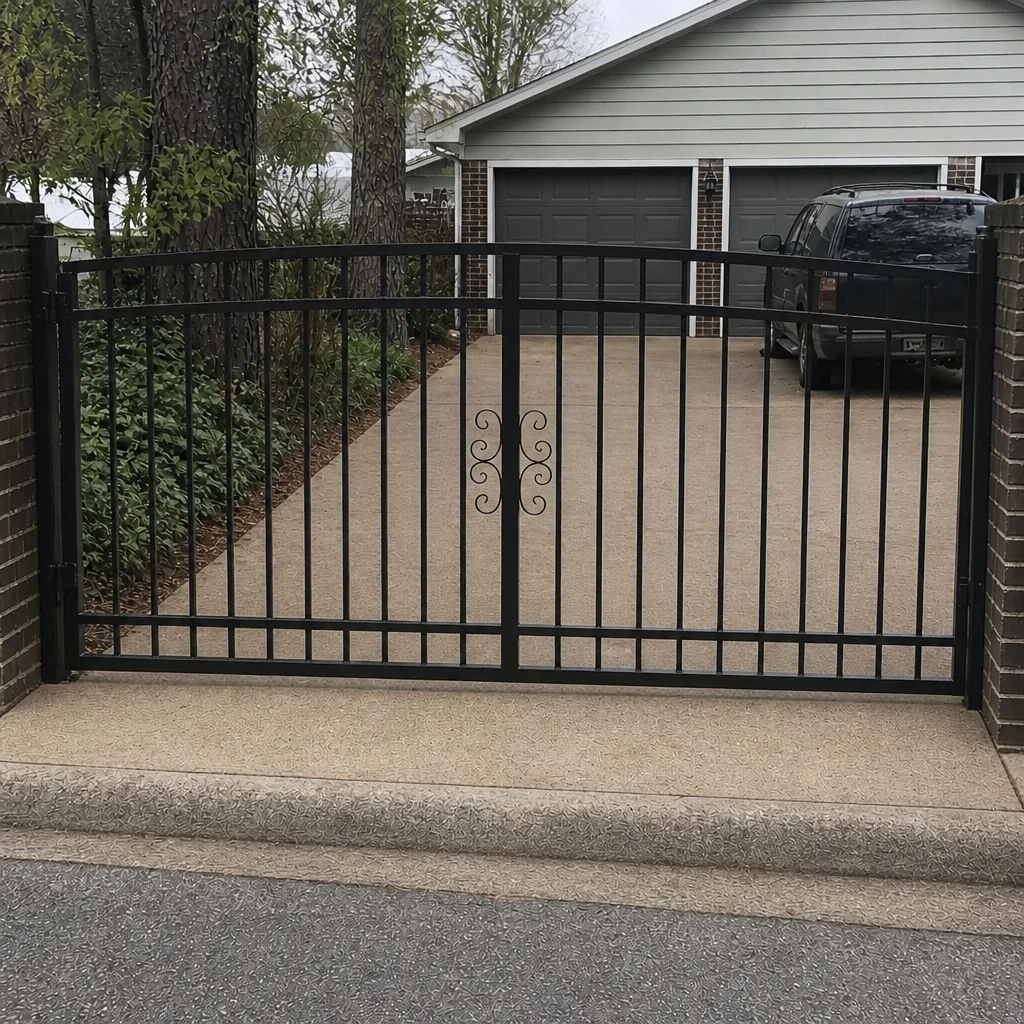
See the difference
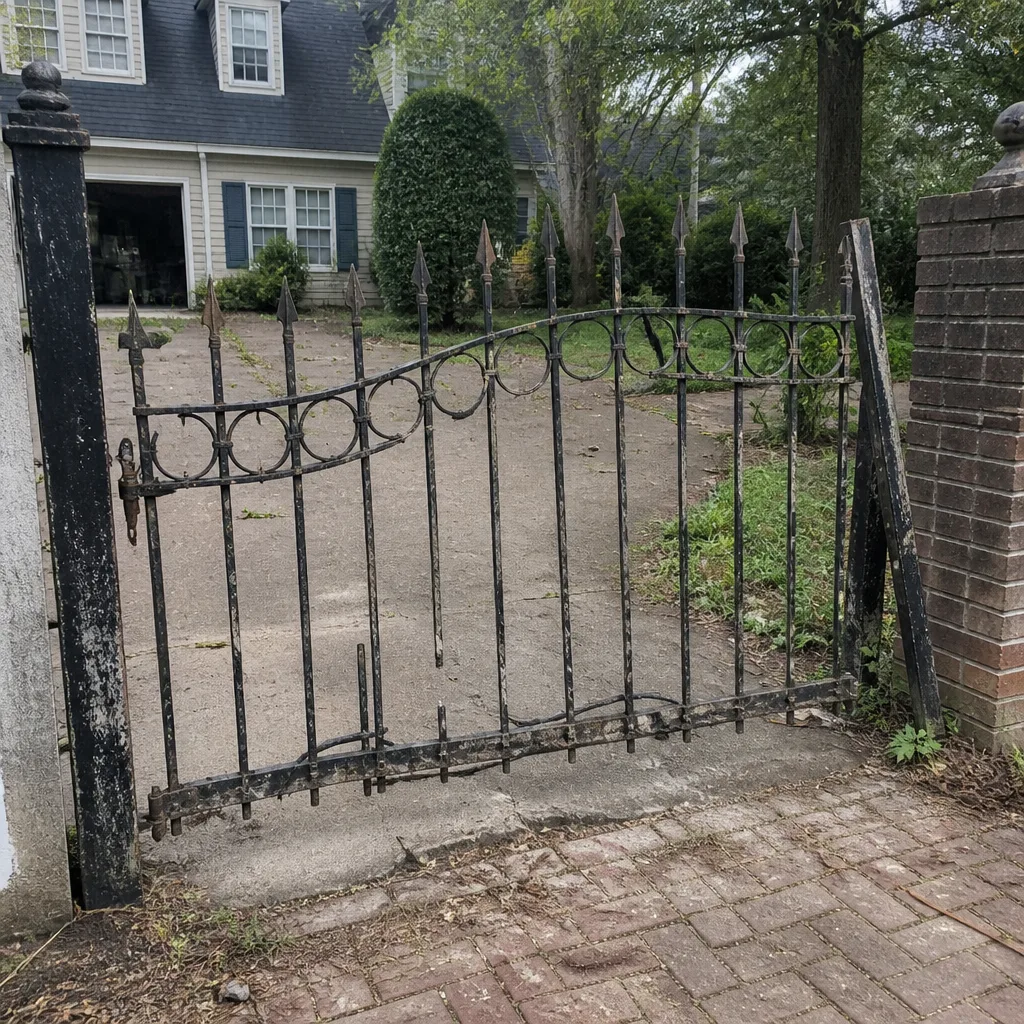 Before
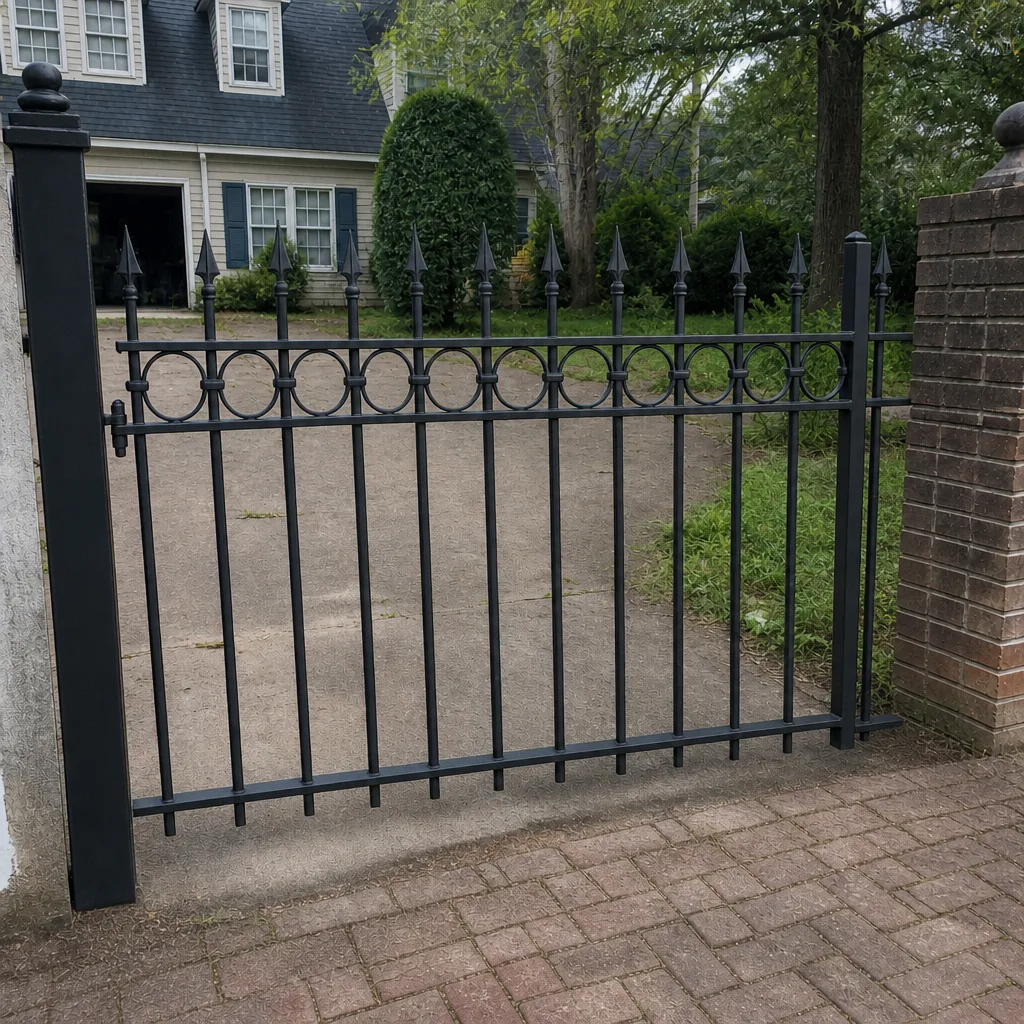 After
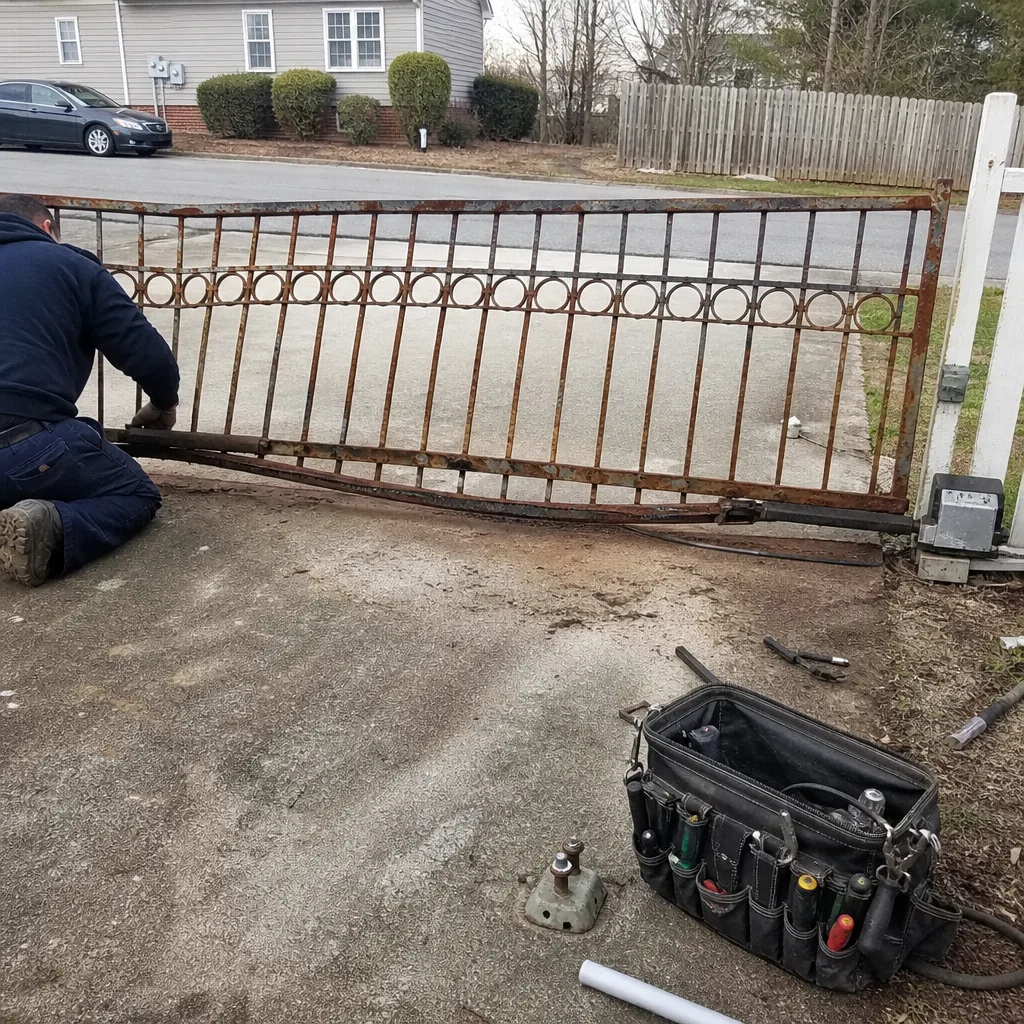
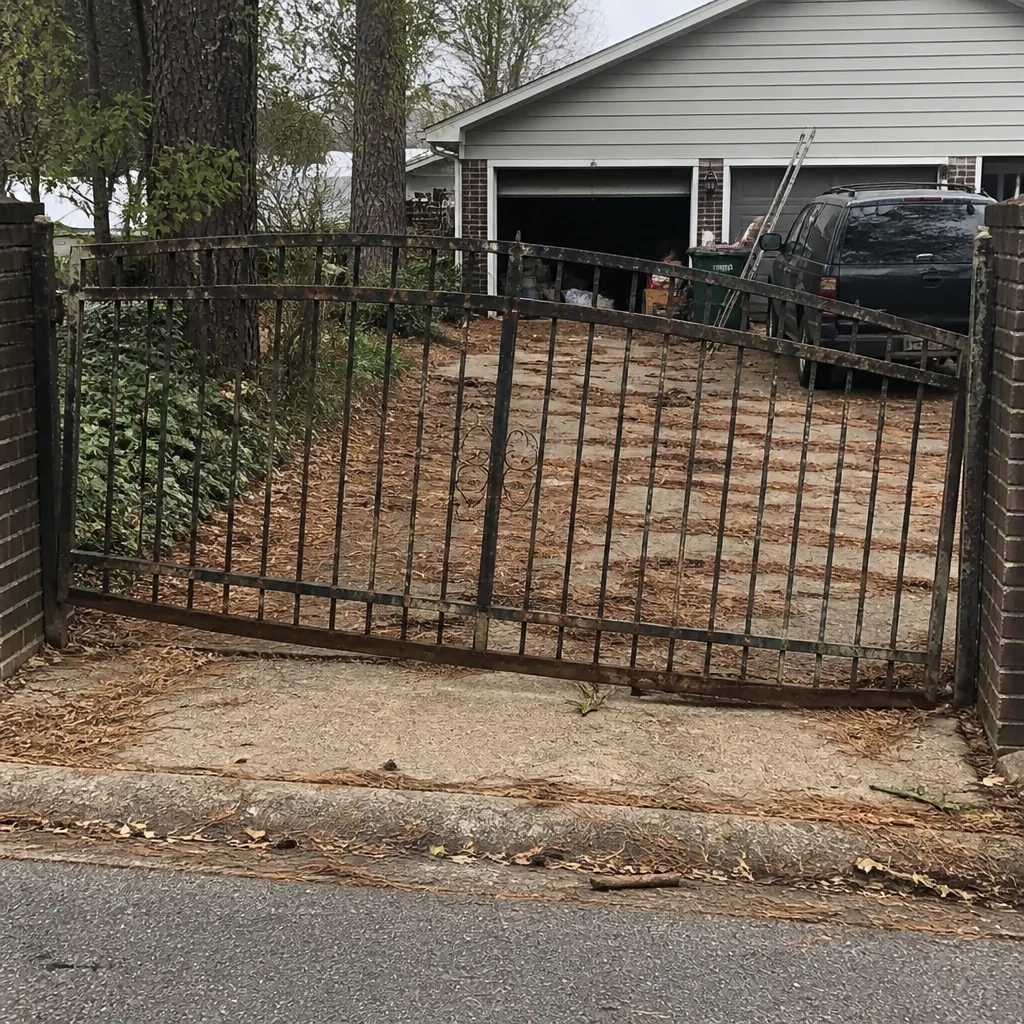 Before
 After
 Before
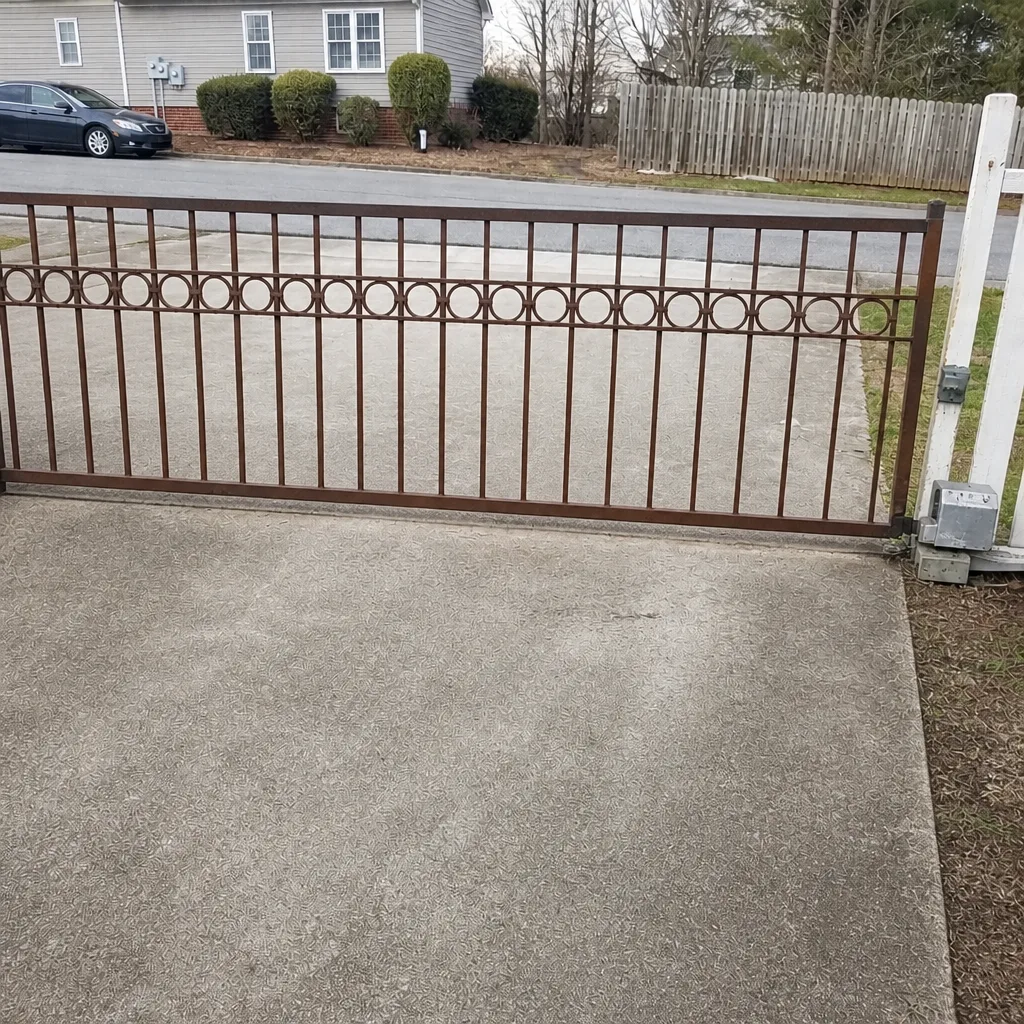 After
When to Call a Professional
Some gate issues are safe to check yourself: a remote that needs a battery, a keypad that needs a code reset, a latch that’s visibly broken. But several situations call for a trained technician, and fast.
Call us if the gate has stopped moving, if the operator is faulting or resetting repeatedly, if you see exposed wiring or a tripping breaker, or if the gate panel has come off its track or is swinging unevenly. A gate that’s off its track or binding is a physical hazard, and heavy panels can cause serious injury. If a post has shifted and the gate is hanging on the post, don’t try to force it back into alignment; a panel can drop or swing unpredictably. If your gate has a torsion spring, never attempt to adjust it yourself; springs under tension can cause serious injury and require a trained technician.
For everything else, the earlier you call, the more likely the fix is a repair rather than a replacement. Gate Repair Hampton offers free estimates in Hampton. Call (855) 686-7069. We answer 24/7. Fast dispatch from 7am to 7pm, Sunday through Friday.
Frequently Asked Questions
Most repairs to hinges, rollers, latches, and control settings can be done in a single visit once the diagnosis is complete. Jobs that involve re-setting a post or replacing an operator take longer because the gate needs realignment and testing. We tell you the expected scope when we give you the estimate.
It depends on which stage the gate is in. If the frame is sound and only the mechanics or electrics are failing, a repair is usually the right call. If the posts are failing and the frame has rusted through, replacement may be the better plan. A diagnosis on-site is the only way to know for sure.
We work on the brands we know inside out: LiftMaster, FAAC, BFT, Linear, Viking, Ghost Controls, DoorKing, Elite, and Mighty Mule. If your operator is one of these, we can diagnose the motor, control board, loop detector, and intercom as one system. If it’s another brand, call and tell us what you have; we’ll tell you honestly whether we can help.
A gate that faults and resets repeatedly is usually being told something is wrong. The two most common causes are a binding gate (hinges, rollers, or a leaning post) and a misaligned safety sensor or loop. Both are diagnosed as part of our electric gate repair visits. Call (855) 686-7069 for an exact quote; estimates are free.
We dispatch Sunday through Friday, 7am to 7pm, and we answer the phone 24/7. If you call outside dispatch hours, we’ll book you into the next opening. Same-day visits are often possible; it depends on the schedule and the scope of the repair.
Yes. Power runs, control boxes, safety edges, loop detectors, and intercom wiring are part of the electric gate service we provide. These are licensed electrical work, so we diagnose and handle them as part of the system rather than treating the gate as a mechanical item only. The written estimate covers the full scope before any work begins.
The Bottom Line
Gate failures in Hampton follow a pattern: structural wear first, then mechanical, then electrical. The motor is almost always the last part to fail, and it fails because something upstream has been pushing against it. The fix that lasts is the one that addresses the stage where the problem started, not the stage where the symptom shows. Our technicians have up to 9 years of experience with the brands we work on, and we diagnose the system before we replace anything. If your gate is behaving oddly, binding, or faulting, get a diagnosis before the small problem becomes the expensive one. The price is quoted and agreed before any work starts.
Call (855) 686-7069 for a free estimate. We answer 24/7. Fast dispatch from 7am to 7pm, Sunday through Friday.
Written by the team at Gate Repair Hampton.