
Last updated November 16, 2026
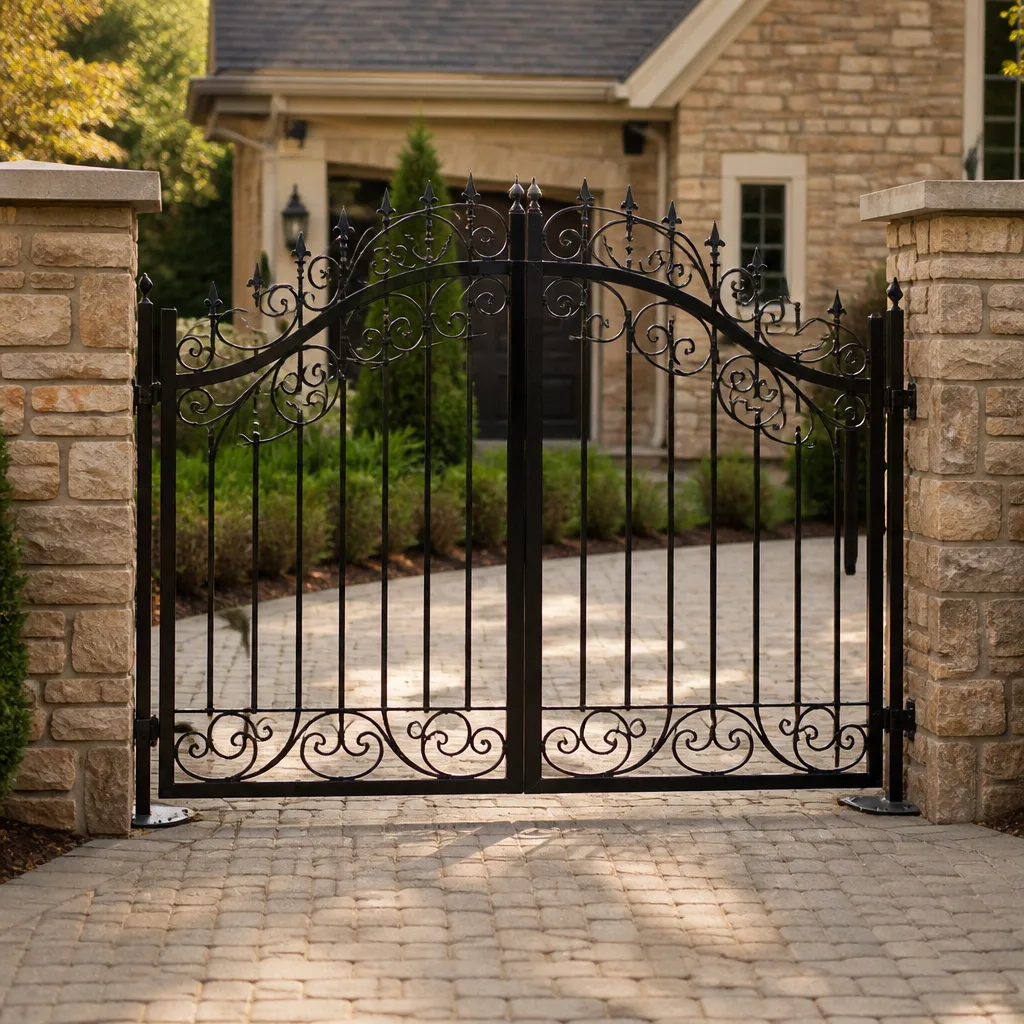 Wrought iron
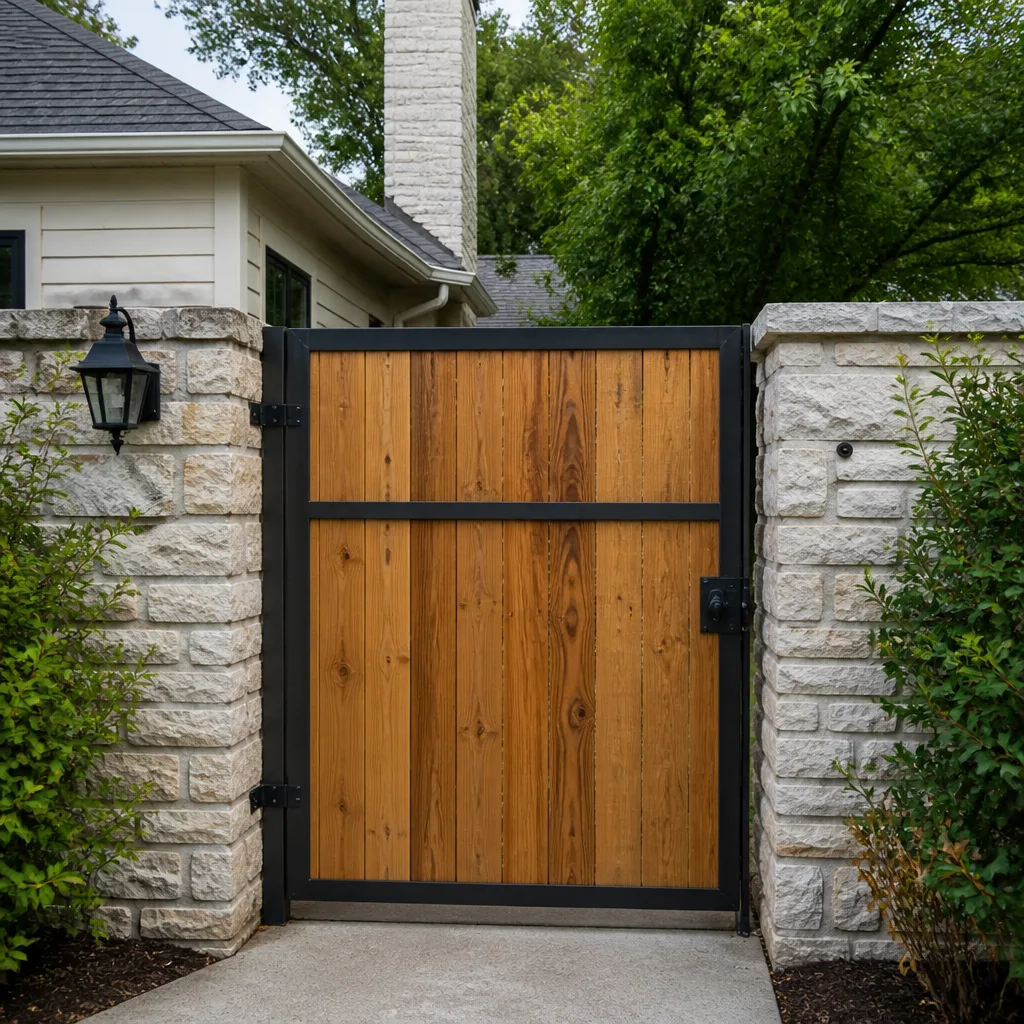 Wood & steel frame
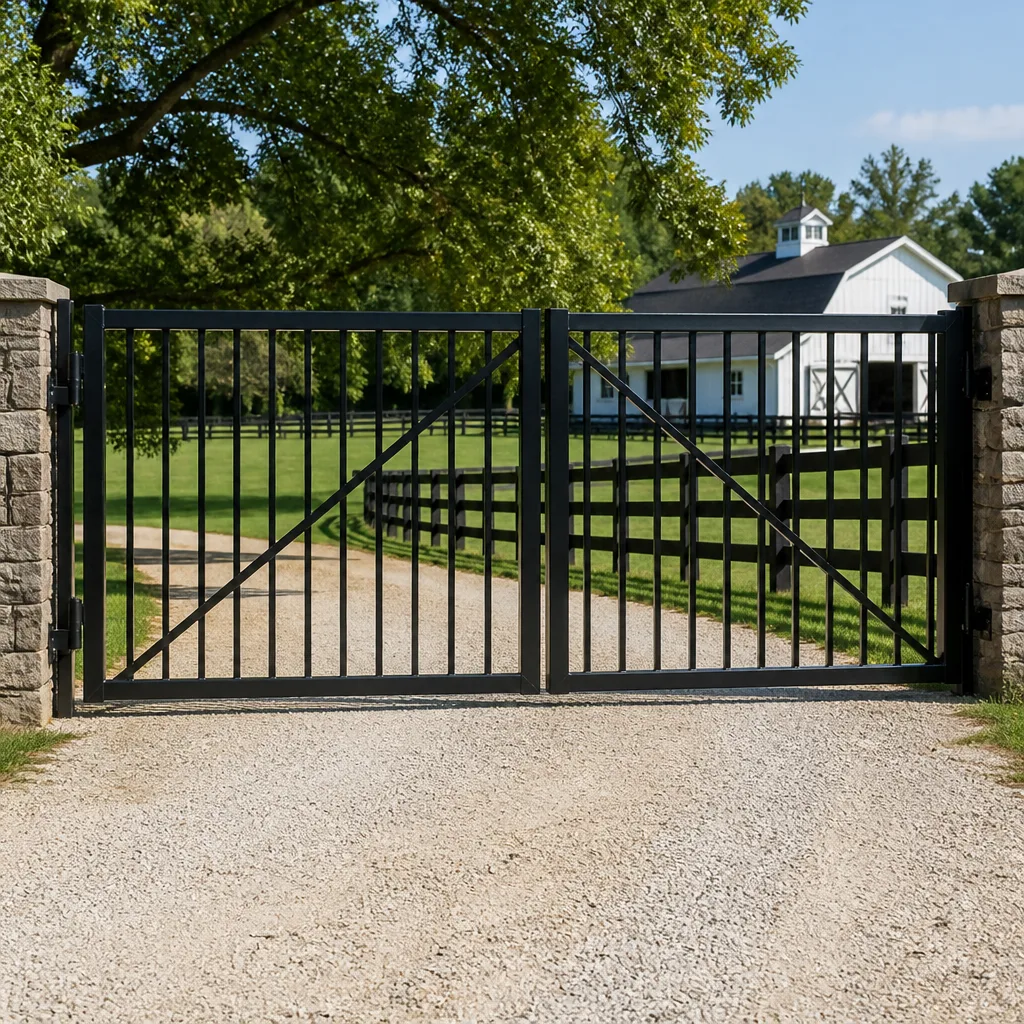 Farm & ranch
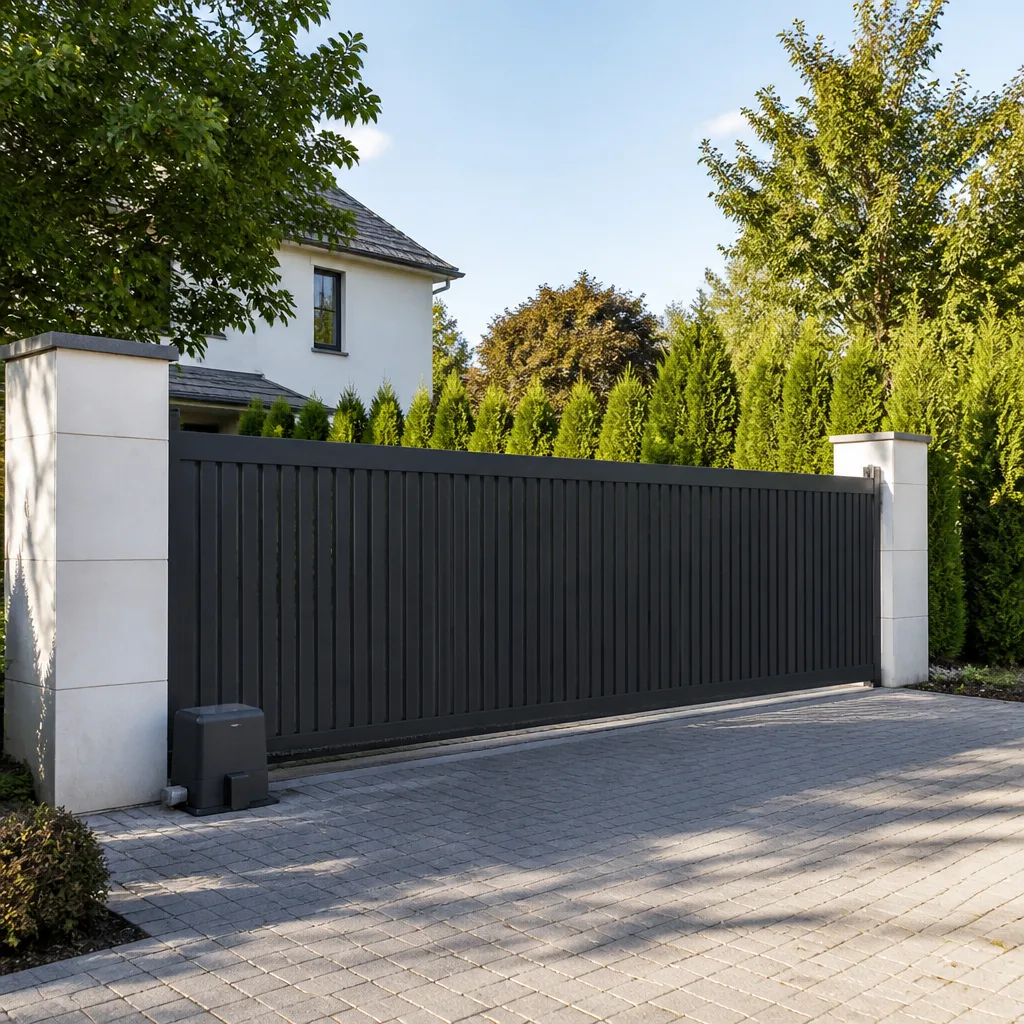 Sliding driveway gates
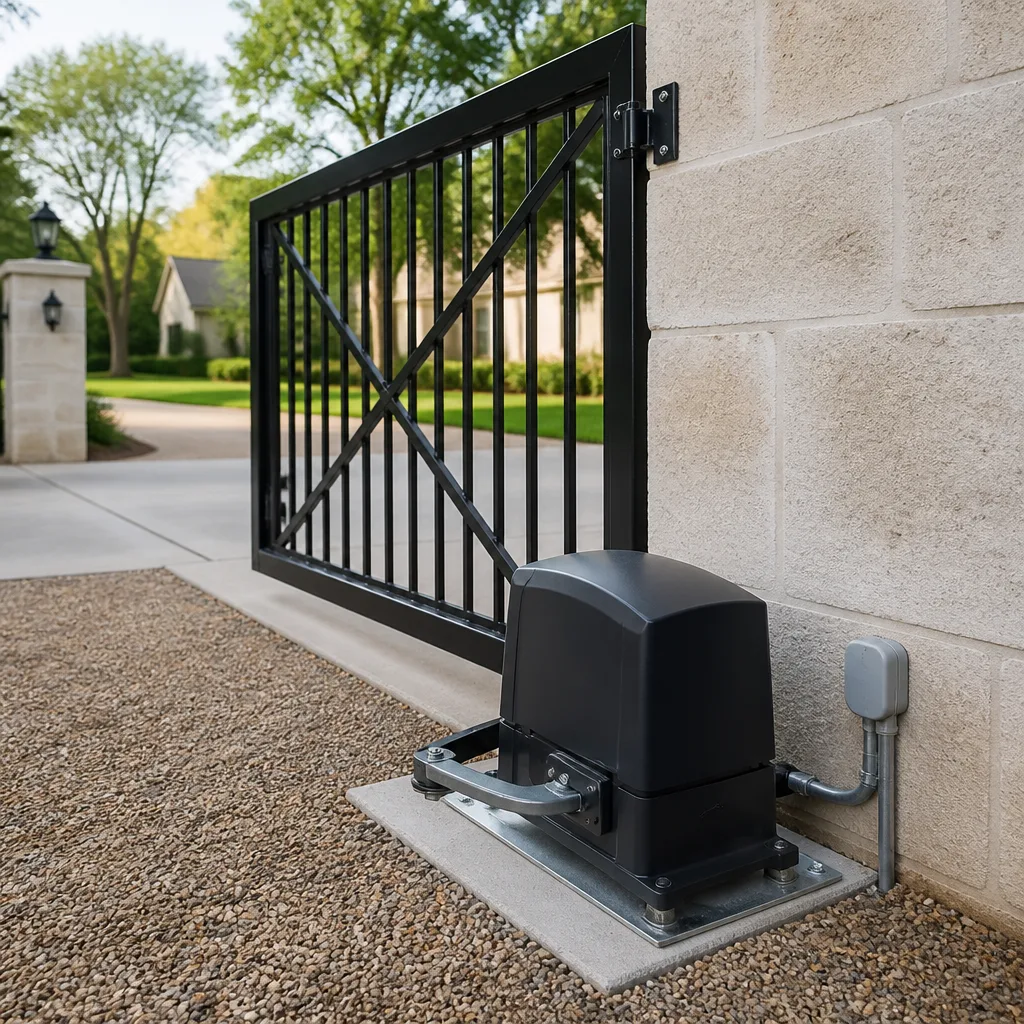 LiftMaster operators
Free on-site gate assessment - hinges, posts, and your LiftMaster or Nice gate operator checked before anything is quoted
The assessment is free and the quote is the invoice.
Get your free estimateSeasonal Gate Repair Care for Hampton: Year-Round Homeowner’s Guide
Most seasonal gate advice you’ll find online is written for places with real winters, and many Hampton homeowners quietly skip winter prep because January here usually feels mild. That’s the mistake. The freeze-thaw cycle that shows up in Hampton’s narrow January and February window is exactly when hydraulic operators seize and steel hinges bind, because nobody winterized the system in the first place. Meanwhile the damage that actually takes gates out around here tends to arrive in summer humidity and hurricane season, not in snow. This guide resets the calendar around Hampton’s real stress points, so you can protect your gate through the year instead of following a generic four-season script that doesn’t fit.
Styles & brands we work with
- Wrought iron
- Wood & steel frame
- Farm & ranch
- Sliding driveway gates
- LiftMaster operators
Quick Answer
Seasonal gate care in Hampton comes down to four windows: pre-hurricane prep in late spring (secure panels, test auto-close fail-safes), summer control-board checks for condensation intrusion, freeze protection for hydraulic operators and battery backups in January and February, and a post-storm inspection after nor’easters or tropical systems. Fall tasks matter too, but for wind-blown debris and lubrication, not for snow. If your gate is already erratic, stop guessing and get it diagnosed by someone who knows your brand – call (855) 686-7069 for a free estimate.
Table of Contents
- Why Hampton’s Gate Calendar Is Different
- Pre-Hurricane Season Prep: Securing Your Gate Before the Storm
- Summer Humidity and Your Control Board
- The January-February Freeze Window
- Spring Post-Storm Inspection Protocol
- Fall Preparation Most Guides Skip
- The Winter Myth: What Mild Temperatures Hide
- Why Brand Knowledge Changes the Diagnosis
- Common Mistakes to Avoid
- When to Call a Professional
- Frequently Asked Questions
- The Bottom Line
Why Hampton’s Gate Calendar Is Different
The generic gate maintenance calendar assumes four distinct seasons and one big freeze. Hampton doesn’t cooperate with that. Our winters are short and mostly mild, which is precisely why so many automated gates here go into January without any cold-weather prep at all. The single deep freeze that arrives in that narrow window hits a system that was never protected, and that’s when the real failures happen.
The threat sequence in Hampton looks more like this:
- Late spring: the run-up to hurricane season, when wind events and vibration stress test every mount, weld, and fail-safe.
- Summer: sustained humidity that finds its way into control enclosures and operator housings.
- Late summer and fall: tropical systems and nor’easters that shift posts and crack welds.
- January and February: the freeze-thaw window that catches unprotected hydraulics and batteries.
Notice what’s missing: snow load and salt. This isn’t a cold-weather gate town, and treating it like one wastes effort in the wrong season. The homeowners who get the longest life out of their gates in Hampton are the ones who protect against humidity, wind, and the short freeze rather than against a winter that mostly doesn’t arrive. For a full breakdown of what we handle, see our gate repair services, and if the electronics are the question, electric gate repair covers the diagnostic side.
Pre-Hurricane Season Prep: Securing Your Gate Before the Storm
Hurricane season is the single biggest stress event for automated gates in Hampton, and the prep work needs to happen before the first system is named, not after. Wind doesn’t just push on the gate panel – it vibrates the entire assembly, stressing hinges, mounts, and the welds that hold the frame together. A gate that’s been quietly loosening all spring can fail outright in a strong gust.
Here’s the pre-season protocol we recommend walking through each spring:
- Inspect the hinges and mounting brackets. Look for play, cracked welds, and backing plates pulling away from the post. Wind finds the weakest point first.
- Test the auto-close fail-safe. If power drops mid-storm, the gate should behave the way it’s designed to – confirm that it does, before you need it to.
- Clear the travel path. Debris, loose gravel, and overgrown vegetation in the gate’s swing or slide path cause binding that becomes a jam under wind load.
- Check the control enclosure seal. A lid that doesn’t sit tight is the number one way water gets into a control board during a storm.
- Confirm manual release works. If the operator loses power, you need to be able to open the gate by hand.
If a storm does hit and the gate gets stuck closed afterward, don’t force it. Forcing a bound gate can bend the operator arm or strip a gear, turning a reset into a replacement. Use the manual release if the operator allows it, and get the system diagnosed once conditions settle. We work on your brand regardless of which operator you have – whether that’s a Linear residential unit or a DoorKing access system on a commercial property – so the diagnosis doesn’t stall on parts availability. For homeowners across Hampton, getting that pre-season inspection on the calendar is the difference between a gate that rides out the storm and one that comes apart in it.
Summer Humidity and Your Control Board
Hampton’s summer humidity does more quiet damage to automated gates than any other single factor. Control boards, operator housings, and intercom units are all vulnerable to condensation intrusion, and the failure often doesn’t show up until months after the moisture got in. By the time the gate behaves erratically – phantom openings, partial travel, an operator that runs but doesn’t stop – the board may already be compromised.
What to check heading into and through the summer:
- Enclosure seals and gaskets. Look for gaps, hardening, or a lid that doesn’t close flush. A seal that’s lost its flexibility lets humid air in with every temperature swing.
- Signs of condensation inside the enclosure. If you can open the enclosure safely, look for moisture on the board or corrosion on terminals. If you can’t access it safely, leave it to a technician.
- Battery backup condition. Heat and humidity age batteries faster than cold does. A weak backup battery is a gate that won’t open when you need it most.
- Loop detector and intercom function. These low-voltage components are often the first to show humidity-related faults, and they’re frequently misdiagnosed as “the gate is broken” when the board and loop are the real problem.
Summer is also when erratic behavior gets blamed on the wrong component. An operator that opens halfway and reverses is rarely a mechanical fault – it’s usually the control board, a limit setting, or a loop detector misreading. That’s why we diagnose the system, not just the symptom. When the electronics are the issue, our electric gate repair work starts with the control system, not the panel.
The January-February Freeze Window
This is the section most seasonal guides get wrong for Hampton. Our winters are mild, so gate owners skip cold-weather prep entirely – and then the freeze-thaw window in January and February catches the system unprotected. The failures are specific and predictable: hydraulic operators thicken and strain, steel hinges bind, and battery backups that were already weak in the summer heat give out in the cold.
What actually needs protecting before the first hard freeze:
- Hydraulic operators. Cold thickens hydraulic fluid, which strains seals and slows operation. A system that’s already near its limits can seize. Have the fluid condition and seals checked before the cold sets in.
- Battery backups. Cold reduces battery capacity, and a battery that’s been quietly degrading through the summer may not carry the gate through a winter power interruption.
- Steel hinges and moving parts. Lubrication before the freeze prevents binding. Dry hinges that bind in cold weather put extra load on the operator, which is where the next failure starts.
- Water intrusion points. Any moisture that got in during the summer and froze expands, cracking seals and housings. Sealing before the freeze prevents that.
The freeze-thaw cycle compounds the problem because it repeats. A gate that survives the first cold night can still fail on the third or fourth swing between freezing and thawing. For properties with Ghost Controls or Viking operators that are more sensitive to temperature swings, this window deserves a real inspection rather than a quick glance. If your gate is already stiff or slow in cold weather, that’s the signal to get it looked at – and a free estimate is the cheapest way to find out whether it’s a lubrication issue or a seal that’s about to go.
Spring Post-Storm Inspection Protocol
After Hampton’s nor’easters and the tropical systems that push through, the gate has usually taken more stress than it shows. Wind vibration shifts posts, stresses weld points, and loosens hardware in ways that don’t announce themselves until something fails weeks later. A structured inspection in spring catches those problems while they’re still adjustments.
Walk through this after any significant wind event:
- Check post plumb. A post that’s shifted even slightly throws off the whole gate’s travel. Look for leaning, gaps at the base, or a gate that no longer lines up with its catch.
- Inspect welds and frame joints. Hairline cracks in welds are the most common storm damage we see, and they’re easy to miss until a panel fails.
- Test full travel and auto-reverse. Run the gate through a complete open and close cycle. It should move smoothly and reverse on obstruction as designed.
- Check the operator’s mounting and arm. A storm can shift the operator arm’s geometry, which throws off limit settings and causes over-travel or short travel.
- Clear the track or swing path. Storm debris in the travel path binds the gate and stresses the operator.
A gate that’s slightly out of alignment after a storm is a gate that’s wearing itself down every time it moves. Fixing alignment and weld issues in spring is a repair. Ignoring them until the operator fails is a replacement. We handle both residential and light commercial systems, so if a property manager has multiple gates stressed by the same storm, it can be handled in one inspection rather than piecemeal.
Fall Preparation Most Guides Skip
Fall prep in Hampton isn’t about snow. It’s about wind-blown debris, the last warm-weather humidity, and getting ahead of the freeze window that arrives a few months later. Most seasonal guides assume fall means winterizing for a cold winter, which isn’t the threat here – but there are real fall tasks that protect the gate going into the freeze.
- Clear debris from the travel path. Fallen leaves, twigs, and storm debris collect in the track or swing path and bind the gate through the wet months.
- Lubricate hinges and moving parts. Lubrication before winter prevents the binding that cold weather makes worse.
- Check seals and gaskets before the freeze. Any moisture that got in over summer should be sealed out before it freezes and expands.
- Test the battery backup under load. The last warm weeks are the best time to catch a battery that won’t carry the gate through a winter outage.
- Look for summer damage you missed. A control board that was compromised by summer humidity often shows its symptoms in fall, when the gate starts behaving erratically.
Fall is also a good time to schedule a full diagnostic if you’ve noticed anything odd through the summer. It’s far easier to sort out an operator issue, a control board problem, or a worn battery before the freeze window, when cold weather makes every mechanical problem worse.
The Winter Myth: What Mild Temperatures Hide
The most expensive mistake Hampton homeowners make is assuming a mild winter means no winter prep. Mildness is exactly what hides the problem. A gate that’s never winterized doesn’t fail in a dramatic freeze – it fails quietly in the short window when the temperature drops, because nothing in the system was ever protected against it.
What mild temperatures hide:
- Hydraulic strain. Cold thickens hydraulic fluid, and a system near its limits can seize. The strain builds before the failure.
- Battery weakness. A battery that’s been quietly degrading through summer heat won’t carry the gate through a winter power outage, and the mild weather gives no early warning.
- Moisture that froze. Water intrusion from summer humidity freezes in the cold and cracks seals, housings, and boards. The damage often shows up months later.
- Hinge binding. Dry hinges bind in cold weather, putting extra load on the operator – and the operator is what fails.
The fix is simple: treat the January and February freeze window as a real maintenance date, not a hypothetical. That means a pre-winter inspection of hydraulics, batteries, and hinges, and a plan for what to do if the gate gets stiff or slow in the cold. For a full picture of the service, see Gate Repair Hampton, and if you’ve noticed anything erratic this fall, don’t wait for it to fail in the freeze.
Why Brand Knowledge Changes the Diagnosis
Automated gate failures often look identical across brands – erratic travel, partial opening, a gate that runs but doesn’t stop – but the reference points and fix path differ. A technician who knows your operator can go straight to the likely cause, source the correct part, and get the gate working again. A generalist starts from scratch, guesses, and often replaces components that were never the problem.
We’re trained across the nine major gate automation brands, including Linear, Viking, Ghost Controls, and DoorKing, and that knowledge matters most in exactly the seasonal failures this guide covers. A summer humidity fault on one brand’s control board presents differently than on another. A cold-weather hydraulic issue on one operator isn’t handled the same way as on the next. Knowing your brand means the diagnostic goes to the right place first time, without a round of parts-swapping in between.
Our technicians have up to 9 years of experience across repair, diagnostics, and installation, and we handle both residential and light commercial systems. That range matters for property managers who need one source for gates across a site, and for homeowners who just want their brand fixed without a hand-off. We diagnose the system, not just the symptom, and we don’t push replacements a repair would fix. If a part is the answer, we source it for your specific brand rather than swapping in something that happens to fit.
Common Mistakes to Avoid
- Skipping winter prep because the temperatures look mild. Defaulting to a generic four-season calendar means you’re protecting against the wrong threat and missing the freeze window that actually breaks hydraulics and hinges in Hampton.
- Forcing a gate that’s stuck after a storm. Forcing a bound gate bends the operator arm and strips gears, turning a reset into a replacement. Use the manual release if the operator allows it.
- Confusing a control-board fault with a mechanical failure. An operator that opens halfway and reverses is usually electronics, not hinges. Replacing mechanical parts for an electronic fault wastes money.
- Ignoring erratic behavior in the fall. A gate that’s acting up is telling you something is failing. Waiting for the freeze window to make it worse means the repair gets bigger.
- Assuming a weak battery is fine. Battery backups degrade through summer heat, and the failure only shows when there’s a power interruption – which is when you need the gate to work.
- Letting a handyman diagnose your operator. Gate electronics are brand-specific. A generalist without brand training guesses at parts, and guesses cost more than diagnosis.
- Skipping the post-storm walk-around. Storm damage hides in welds and post alignment until something fails. A quick inspection in spring catches it while it’s still an adjustment.
When to Call a Professional
Some gate issues are obvious, but others sit quietly until they’re expensive. Call a professional when the gate behaves erratically – partial travel, phantom openings, an operator that runs but doesn’t stop – or when anything in the control enclosure is a question you can’t answer safely. Call after any storm that’s shifted a post or stressed a weld, especially if the gate no longer lines up with its catch. And call before the January-February freeze window if the gate is slow, stiff, or hard to open in cold weather.
Electrical work inside a gate operator enclosure carries real risk. If you’re not confident working safely around line voltage, don’t open the enclosure – get a technician. Gate Repair Hampton offers free estimates in Hampton – call (855) 686-7069. We answer 24/7. Fast dispatch from 7am to 7pm, Sunday through Friday.
Frequently Asked Questions
Late spring, before the first tropical system appears. Check hinges and mounting brackets for wind loosening, test the auto-close fail-safe, clear the travel path, and confirm the control enclosure seals tightly. If a storm is already forecast, it’s still worth doing the inspection – just don’t force a bound gate if it’s already jammed. Call (855) 686-7069 for an exact quote – estimates are free.
Yes, and mild winters are exactly why it gets skipped. The January-February freeze-thaw window is when hydraulic operators strain, hinges bind, and weakened batteries give out, and a gate that was never prepared for cold weather fails quietly. Get hydraulics, batteries, and hinges inspected before the first hard freeze. Call (855) 686-7069 – we answer 24/7, fast dispatch from 7am to 7pm.
Humidity intrudes through worn seals and gaskets over time, and the condensation damages the board gradually – so the failure often shows up months later as erratic travel, partial opening, or an operator that runs but doesn’t stop. Check enclosure seals for gaps and hardening, and have a technician look at any condensation you notice inside. Call (855) 686-7069 for a free estimate.
Don’t force it. Forcing a bound gate can bend the operator arm or strip gears, turning a small repair into a replacement. Use the manual release if the operator allows it, and get the system diagnosed once conditions settle. We handle residential and light commercial gates and will get to the real cause. Call (855) 686-7069 – estimates are free.
We’re trained across the nine major automation brands, including Linear, Viking, Ghost Controls, DoorKing, LiftMaster, FAAC, BFT, Elite, and Mighty Mule, and we diagnose based on what the system actually needs rather than pushing a replacement. If you’ve been told another shop won’t work on your brand, call us. Call (855) 686-7069 for an exact quote.
It’s usually the cheaper path. Catching hinge binding, a worn battery, or a compromised control board during a seasonal check prevents the operator and electronics failures that cost more to fix. Pricing is set per job by a written estimate, so you’ll know the cost before any work starts. Call (855) 686-7069 – the estimate is free.
The Bottom Line
Hampton’s gate care calendar isn’t the generic four-season one. The real threats here are summer humidity working on control boards, hurricane-season wind stressing welds and posts, and the short January-February freeze window catching unprotected hydraulics and batteries. Build your year around those four moments: pre-hurricane prep in late spring, humidity checks through summer, freeze protection before January, and a post-storm inspection after nor’easters and tropical systems. Fall tasks are real but they’re about wind-blown debris and lubrication, not snow. Get the gate diagnosed early if it’s behaving oddly, and don’t force a bound gate after a storm.
Whether your gate needs repair, diagnosis, or a new installation, one call covers it. Call (855) 686-7069 for a free estimate. We answer 24/7. Fast dispatch from 7am to 7pm, Sunday through Friday. Pricing is quoted and agreed before any work starts.
Written by the team at Gate Repair Hampton.
See the difference
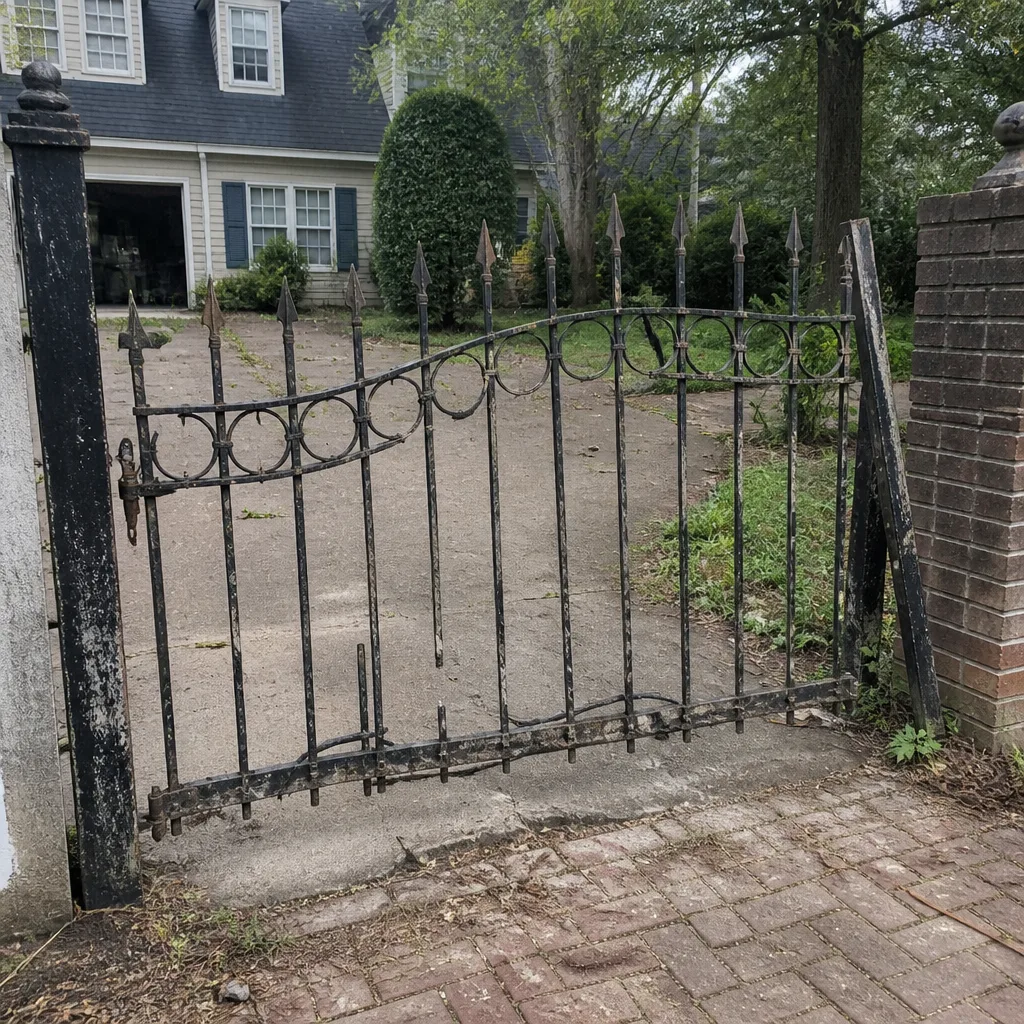 Before
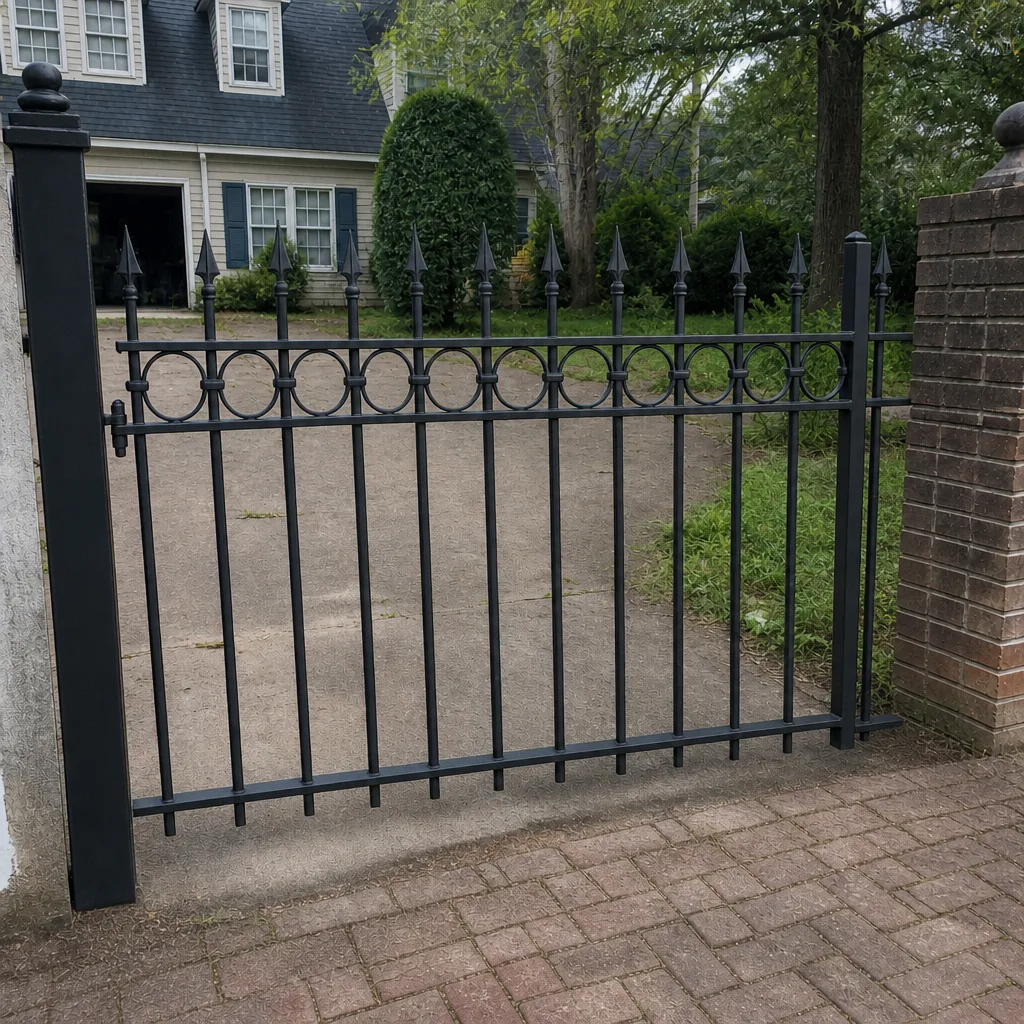 After
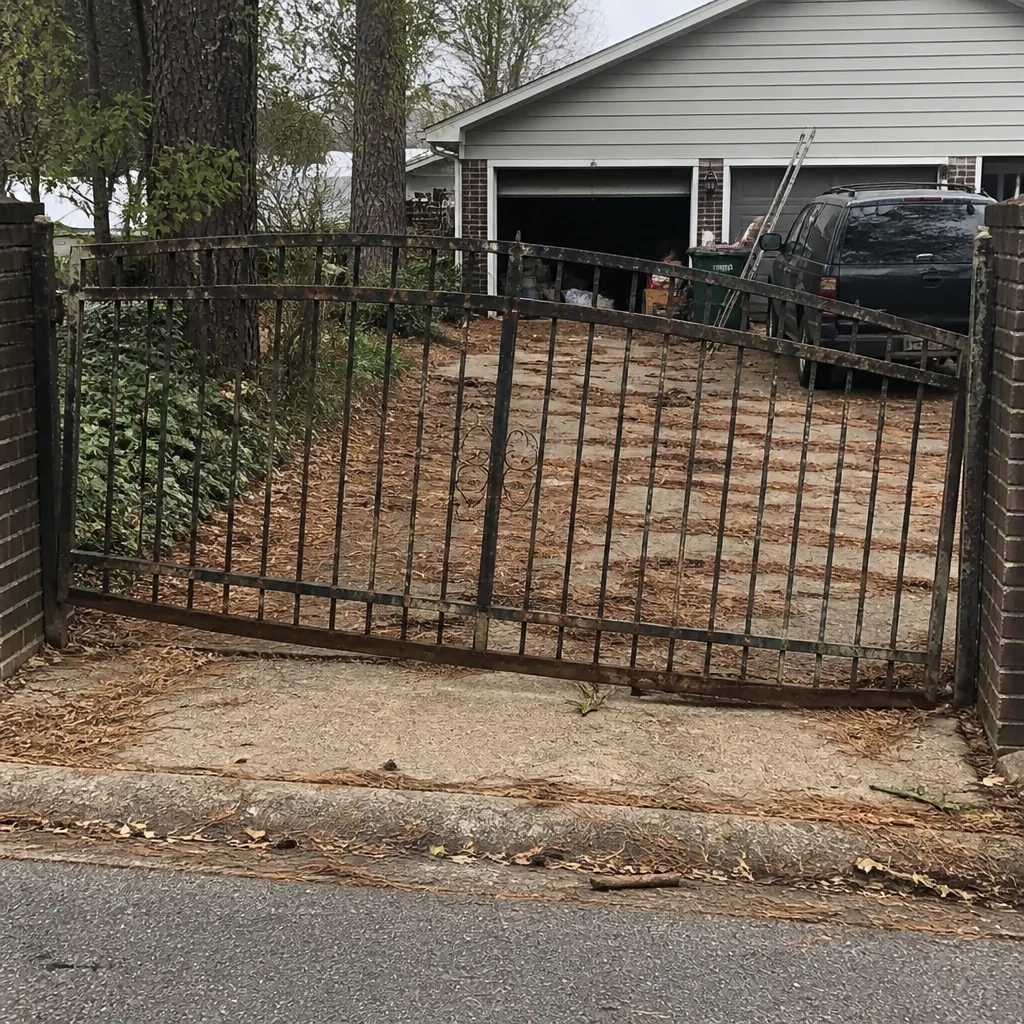 Before
 After
 Before
 After